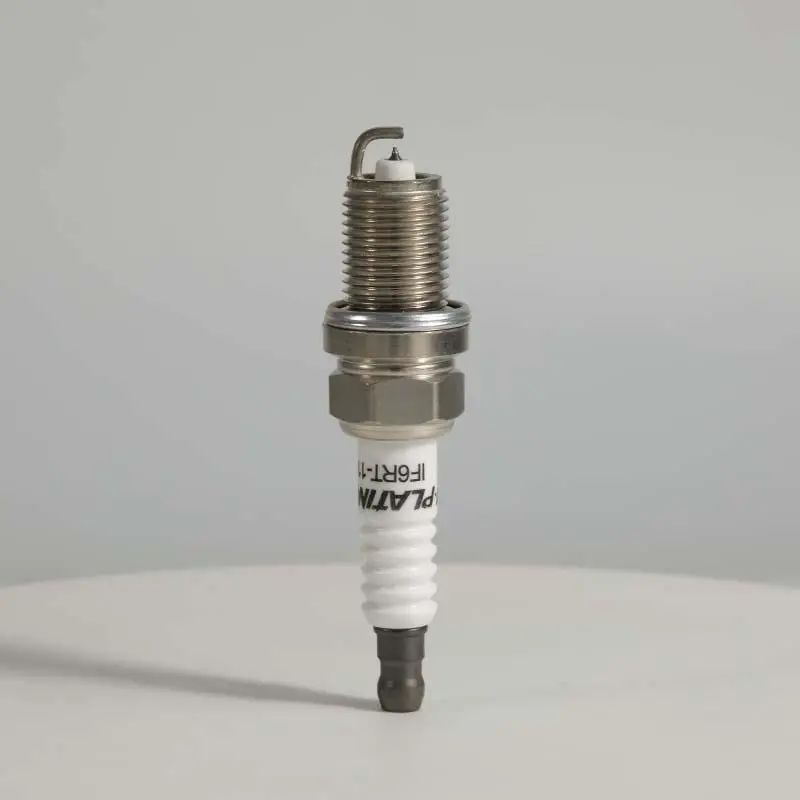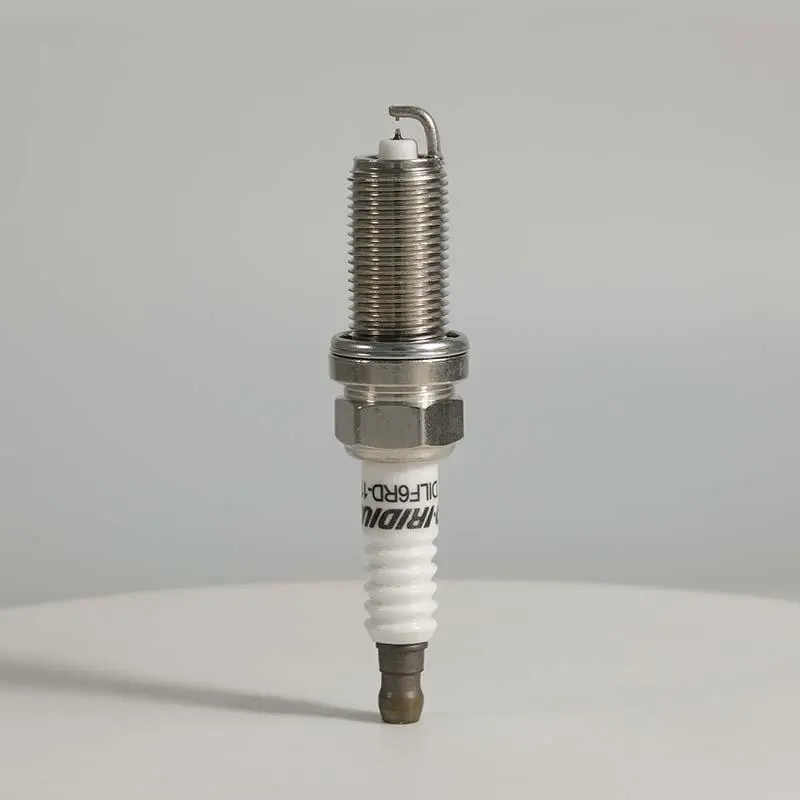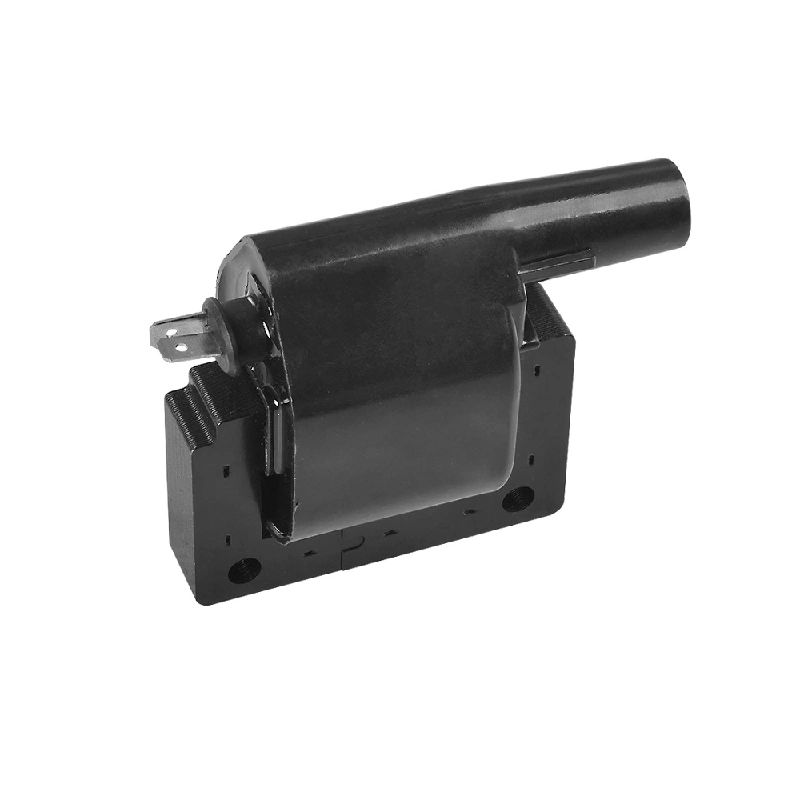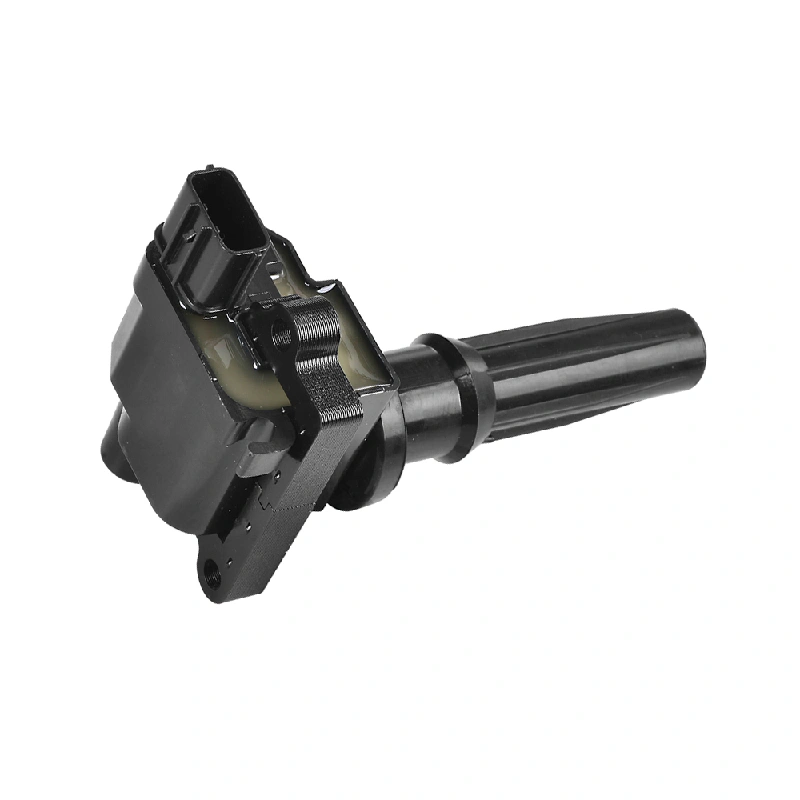



Oil in Spark Plug Well: Symptoms, Causes, and How to Fix
Table of Contents
- What does oil in the spark plug well mean?
- What are the symptoms of oil in the spark plug well?
- What causes oil in the spark plug well?
- Oil in spark plug well vs oil on spark plug tip: what is the difference?
- How does oil damage spark plugs and ignition coils?
- How to fix oil in the spark plug well?
- How to prevent oil from returning to the spark plug well?
- FAQ about oil in spark plug wells
Oil in the spark plug well usually means the valve cover gasket, spark plug tube seal, or related O-ring is leaking. It can cause engine misfire, rough idle, burning oil smell, check engine light, damaged ignition boots, and repeated ignition coil complaints.
The correct repair is not simply replacing spark plugs or ignition coils. The leak source must be fixed, the plug well must be cleaned, and oil-soaked spark plugs, boots, coils, and connector areas should be inspected before the ignition system is judged.
What does oil in the spark plug well mean?
Oil in the spark plug well means engine oil has leaked into the tube or recess where the spark plug and ignition coil boot sit. In many engines, the spark plug is installed deep inside the cylinder head area, and rubber seals are used to keep engine oil away from the plug well.
When those seals harden, shrink, crack, or lose pressure, oil can collect around the spark plug. Once the ignition boot becomes soaked with oil, the high-voltage path may become unstable, leading to misfire, rough running, and repeated repair complaints.
Oil Leak Signal
Oil in the plug well usually points to a failed valve cover gasket, tube seal, or O-ring.
Ignition Misfire Risk
Oil can contaminate spark plug ceramic, ignition boots, and spring contacts, causing voltage leakage.
Seal Repair Needed
Cleaning the oil is not enough if the gasket or tube seal continues to leak.
What are the symptoms of oil in the spark plug well?
Common symptoms of oil in the spark plug well include engine misfire, rough idle, shaking, hard starting, weak acceleration, reduced fuel economy, burning oil smell, and a check engine light. When a coil or boot is removed, the rubber boot may appear swollen, softened, oil-soaked, or carbon-tracked.
The symptom may start as a single-cylinder misfire and become worse as more oil collects in the plug well. If the engine control system stores P0300-series misfire codes, the affected cylinder should be checked together with the plug well condition.
| Symptom | Possible Reason | What to Check |
|---|---|---|
| Engine misfire | Oil contamination weakens spark insulation around the plug and boot | Spark plug, ignition boot, coil, plug well, and misfire code |
| Burning oil smell | Oil may be heated around the engine or valve cover area | Valve cover leak, plug well oil, and external oil residue |
| Check engine light | Misfire is detected and stored as a diagnostic trouble code | P0300-series codes and cylinder-specific inspection |
| Swollen ignition boot | Oil exposure softens or deforms the rubber boot | Boot condition, carbon tracking, spring contact, and coil seating |
What causes oil in the spark plug well?
Oil in the spark plug well is most commonly caused by a failed valve cover gasket or worn spark plug tube seals. These rubber parts are exposed to long-term heat cycles. Over time, they become hard, cracked, flattened, or shrunken, allowing oil to pass into the plug well.
Other possible causes include damaged O-rings, incorrect gasket installation, overfilled engine oil, and excessive crankcase pressure from a restricted PCV system. The exact repair depends on where the leak starts and how the engine is designed.
| Cause | How It Happens | Repair Direction |
|---|---|---|
| Failed valve cover gasket | Main gasket degrades and allows oil to leak near the plug well area | Replace the valve cover gasket set and inspect sealing surfaces |
| Worn spark plug tube seals | Tube seals or O-rings harden and allow oil into the plug tube | Replace tube seals together with the gasket set where applicable |
| Overfilled engine oil | Too much oil can increase leakage pressure around weak seals | Correct the oil level and inspect seals for damage |
| Blocked PCV system | Restricted ventilation raises crankcase pressure and pushes oil past seals | Check PCV valve, hoses, and crankcase ventilation condition |
Oil in spark plug well vs oil on spark plug tip: what is the difference?
Oil in the spark plug well and oil on the spark plug tip are different problems. Oil in the well usually comes from an external sealing issue near the valve cover or spark plug tube. Oil on the electrode or firing tip means oil may be entering the combustion chamber.
This distinction is important because the repair direction is different. External oil in the well often requires valve cover gasket and tube seal repair. Oil on the plug tip may require deeper engine diagnosis, such as checking piston rings, valve guides, or other internal engine conditions.
| Oil Location | Common Meaning | What It Usually Requires |
|---|---|---|
| Oil around spark plug well or boot | Valve cover gasket, tube seal, or O-ring leak | External seal repair, plug well cleaning, boot and plug inspection |
| Oil on spark plug firing tip | Oil may be entering the combustion chamber | Internal engine diagnosis if oil fouling is confirmed |
How does oil damage spark plugs and ignition coils?
Oil damages spark plugs and ignition coils by contaminating the high-voltage insulation path. When oil coats the spark plug ceramic, coil boot, or spring contact, voltage can leak along the surface instead of jumping across the plug gap.
Oil can also soften or swell rubber ignition boots. A damaged boot may not seal or grip properly, which increases the risk of carbon tracking, voltage leakage, weak spark, and repeated misfire. If misfire continues after replacing a coil, the oil-soaked boot and plug well should be checked before blaming the new coil.
Spark Plug Fouling
Oil can contaminate the ceramic insulator and weaken spark stability.
Ignition Boot Damage
Oil-soaked rubber boots can swell, soften, crack, or lose sealing performance.
Ignition Coil Complaints
A coil may be blamed even when the real issue is oil contamination in the boot or plug well.
How to fix oil in the spark plug well?
To fix oil in the spark plug well, the usual repair is to replace the valve cover gasket set, including the spark plug tube seals where applicable. The plug well should be cleaned before spark plug removal so oil and debris do not fall into the cylinder.
Repair details vary by engine design, so torque values, removal sequence, sealant locations, and part replacement should follow the vehicle service information. If the repair is not done correctly, oil may return and the misfire may continue.
General repair sequence
- Disconnect the battery: detach the negative terminal before working around ignition components.
- Remove ignition coils or wires: pull them out carefully and inspect the boots for oil swelling or damage.
- Clean the plug wells first: absorb or remove oil and debris before removing the spark plugs.
- Remove the spark plugs: use the proper spark plug socket and inspect the plugs for fouling or tracking.
- Replace the valve cover gasket set: include spark plug tube seals or O-rings if the engine uses them.
- Clean sealing surfaces: remove old gasket residue and confirm the surface is ready for reassembly.
- Reassemble to specification: install new seals, spark plugs, coils, and fasteners according to manufacturer instructions.
- Recheck for misfire and leaks: confirm the plug wells remain dry after operation.
| Repair Area | What to Do | Why It Matters |
|---|---|---|
| Plug well oil | Clean oil before removing the spark plug | Prevents oil and dirt from falling into the cylinder |
| Valve cover gasket | Replace if hardened, leaking, cracked, or compressed | Main seal failure is a common source of oil leakage |
| Spark plug tube seals | Replace worn tube seals or O-rings where applicable | Tube seal failure often sends oil directly into the plug well |
| Ignition boots and plugs | Inspect or replace oil-soaked, tracked, cracked, or damaged parts | Contaminated ignition parts may keep causing misfire after leak repair |
How to prevent oil from returning to the spark plug well?
To prevent oil from returning to the spark plug well, the gasket set must be installed correctly, the oil level should be kept within specification, and the PCV system should remain clear. After repair, the plug wells should be checked again to confirm they stay dry.
If oil appears again shortly after repair, the cause may be incorrect gasket installation, damaged sealing surfaces, blocked crankcase ventilation, excessive crankcase pressure, or a deeper engine issue. Replacing spark plugs or coils again will not solve the problem if oil keeps leaking into the well.
- Inspect after repair: check plug wells and valve cover edges after driving.
- Use the correct oil level: avoid overfilling engine oil.
- Check the PCV system: restricted crankcase ventilation can push oil through weak seals.
- Inspect during spark plug service: confirm the plug wells are dry whenever plugs are replaced.
- Replace aged seals properly: hardened or flattened gaskets should not be reused.
- Watch repeat misfire: recurring cylinder misfire should be checked with oil contamination and boot condition.
Prevention depends on sealing, pressure control, and dry ignition parts. A clean plug well, sound gasket set, healthy tube seals, and stable PCV system help protect spark plugs and ignition coils from repeat oil contamination.
FAQ about oil in spark plug wells
Can oil in the spark plug well cause misfire?
Yes. Oil can contaminate the spark plug ceramic and ignition boot, causing voltage leakage, weak spark, rough idle, and misfire.
Can oil ruin an ignition coil?
Oil can damage the ignition boot and create leakage paths. If the boot is part of the coil assembly, the coil may need inspection or replacement.
Is oil in the plug well the same as oil on the plug tip?
No. Oil in the well usually points to an external seal leak. Oil on the firing tip may point to oil entering the combustion chamber.
Can I just clean the oil and keep driving?
Cleaning may temporarily remove the oil, but if the valve cover gasket or tube seal is leaking, the oil will return and may continue causing misfire.
Final Thoughts
Oil in the spark plug well is usually caused by a failed valve cover gasket, worn spark plug tube seals, damaged O-rings, overfilled oil, or crankcase pressure problems. It can lead to misfire, burning oil smell, check engine light, swollen ignition boots, and repeated ignition coil complaints.
The correct repair is to clean the plug well, replace the leaking gasket set or tube seals, inspect the spark plugs and ignition boots, and confirm the oil does not return. Ignition parts should be judged only after the leak source is controlled.
Need support with ignition coil or spark plug selection?
IGNX focuses on ignition coils and spark plugs for aftermarket buyers, distributors, and repair-focused businesses. If you need support with ignition coil matching, spark plug selection, or ignition parts sourcing, feel free to contact us.
Contact IGNX