


What Is a Resistor Spark Plug? Uses, Benefits & How to Choose
Table of Contents
- What is a resistor spark plug?
- Why are resistor spark plugs used in modern engines?
- What are the benefits of resistor spark plugs?
- What resistance value does a resistor spark plug use?
- Resistor vs non-resistor spark plug: can they be mixed?
- How to choose the right resistor spark plug?
- FAQ about resistor spark plugs
A resistor spark plug is a spark plug with a built-in resistor that helps suppress electromagnetic interference, stabilize ignition noise control, and protect modern engine electronics from high-voltage ignition disturbance.
For most modern vehicles, resistor spark plugs are not optional upgrades but part of the ignition system design. The correct spark plug should match the engine application, ignition coil output, heat range, thread reach, seat type, electrode material, and required resistance specification.
What is a resistor spark plug?
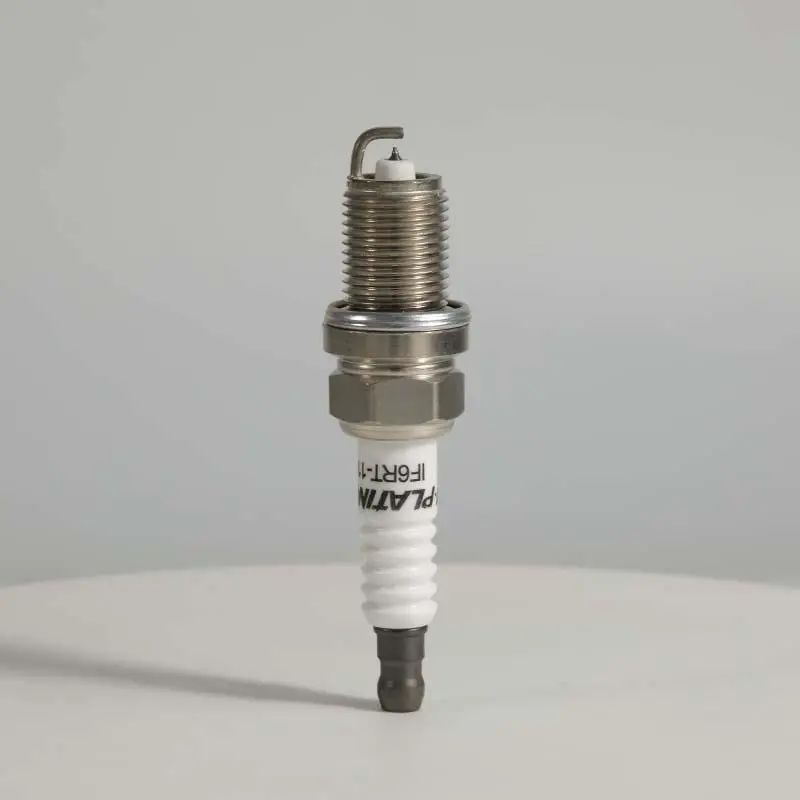
A resistor spark plug is a spark plug that contains an internal resistor between the terminal end and the center electrode path. In many designs, the resistor material is built into the plug core to reduce radio frequency interference and control the electrical noise created during spark discharge.
The spark plug still performs the same basic job: it creates a spark across the electrode gap to ignite the air-fuel mixture. The difference is that the resistor helps manage the high-frequency electrical disturbance generated when the ignition coil releases high voltage.
Built-In Resistor
The resistor is integrated inside the spark plug, not added as an external part.
EMI / RFI Suppression
It helps reduce ignition noise that may affect radios, sensors, ECUs, and other electronics.
Modern Engine Fit
Most electronic fuel injection vehicles are designed to use resistor-type spark plugs.
Why are resistor spark plugs used in modern engines?
Resistor spark plugs are used in modern engines because ignition discharge creates electromagnetic interference. When the ignition coil produces high voltage and the spark jumps across the plug gap, the discharge can generate high-frequency noise. Without suppression, this noise may interfere with nearby electronic systems.
Modern vehicles rely on electronic control units, sensors, ignition modules, audio systems, communication systems, and diagnostic circuits. A resistor spark plug helps reduce ignition-related noise so the vehicle electronics can work more reliably.
| Reason | What It Means | Possible Issue Without It |
|---|---|---|
| EMI / RFI control | Reduces high-frequency ignition noise | Radio noise, signal disturbance, or unstable electronic readings |
| ECU protection | Helps protect sensitive vehicle electronics from ignition interference | Possible control signal disturbance or abnormal engine behavior |
| Ignition system matching | Matches the design of modern coils, wires, boots, and control systems | Misfire complaints, unstable idle, or incorrect part matching |
What are the benefits of resistor spark plugs?
The main benefit of resistor spark plugs is interference suppression, but that is not the only function. The resistor also helps control the discharge path and reduce unnecessary electrical stress in the ignition system. This can support more stable operation in vehicles with sensitive electronic control systems.
Resistor spark plugs are especially important in modern vehicles because the ignition system is connected with many control and diagnostic functions. Choosing the correct resistor plug helps reduce noise-related complaints and supports proper ignition system matching.
Reduces Ignition Noise
Helps suppress radio frequency interference from the spark event.
Supports ECU Stability
Helps reduce electrical disturbance around engine control and sensor systems.
Protects Ignition Matching
Keeps the spark plug aligned with the designed ignition coil, wire, boot, and control system.
What resistance value does a resistor spark plug use?
Many modern resistor spark plugs use a resistance value around 5kΩ, but the exact value depends on the plug design, vehicle application, ignition system, and manufacturer specification. Other resistance ranges may also be used in different engines or plug types.
Resistance value should not be selected randomly. Too much or too little resistance may affect ignition system matching, noise suppression, or diagnostic behavior. The correct approach is to follow the OE application, spark plug catalog, or vehicle service information.
| Item to Check | Why It Matters | Correct Action |
|---|---|---|
| Resistance value | Affects ignition noise suppression and system matching | Use the value specified by the plug or vehicle application |
| Electrode material | Copper, platinum, and iridium plugs may serve different service goals | Choose based on engine requirement, service interval, and performance needs |
| Ignition system design | Coil-on-plug, plug wire, and older distributor systems may have different requirements | Match the full ignition system, not only the spark plug thread size |
Resistor vs non-resistor spark plug: can they be mixed?
Resistor and non-resistor spark plugs should not be mixed unless the engine or ignition system specifically allows it. A non-resistor spark plug does not provide the same interference suppression as a resistor plug, which can be a problem for modern vehicles with sensitive electronic systems.
Some older engines, small engines, racing applications, or simple ignition systems may use non-resistor plugs depending on design. However, most modern fuel-injected vehicles are designed around resistor spark plugs, and using the wrong type can lead to noise, unstable operation, diagnostic confusion, or misfire complaints.
| Spark Plug Type | Main Feature | Typical Use |
|---|---|---|
| Resistor spark plug | Built-in resistor helps suppress EMI / RFI and match electronic control systems | Most modern vehicles, EFI engines, coil-on-plug systems, and ECU-controlled engines |
| Non-resistor spark plug | No built-in resistor, less interference suppression | Certain older engines, simple ignition systems, or specific performance applications |
Practical point: do not replace a resistor spark plug with a non-resistor plug only because the thread size fits. Electrical specification and ignition system matching matter.
How to choose the right resistor spark plug?
To choose the right resistor spark plug, start with the vehicle application and OE reference. The plug should match the required resistance type, thread reach, seat design, heat range, electrode material, gap specification, and ignition system design.
For B2B buyers and distributors, the key is not only finding a plug that fits physically. The correct resistor spark plug should reduce misfire complaints, avoid ECU interference, fit the ignition coil or boot correctly, and support the intended service interval.
Selection checklist
- Confirm resistor type: check whether the engine requires a resistor spark plug.
- Match the OE application: use the correct part number, cross reference, or vehicle model data.
- Check heat range: wrong heat range may cause fouling, overheating, or abnormal deposits.
- Check thread reach and seat type: incorrect reach or seat can cause sealing and combustion problems.
- Confirm electrode material: copper, platinum, and iridium designs serve different durability and performance needs.
- Check gap requirement: use the gap specified for the engine and ignition system.
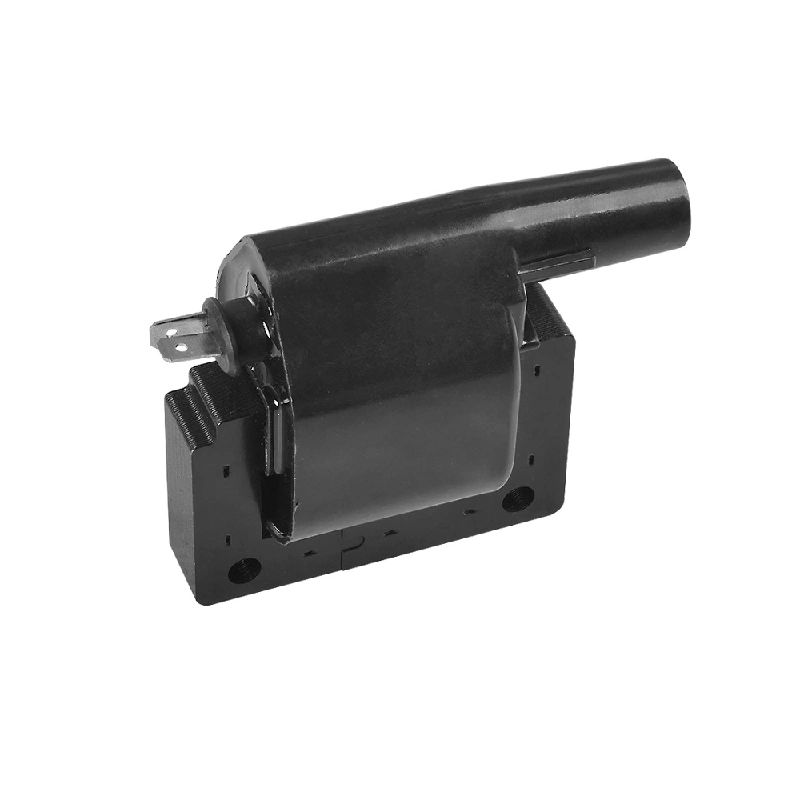
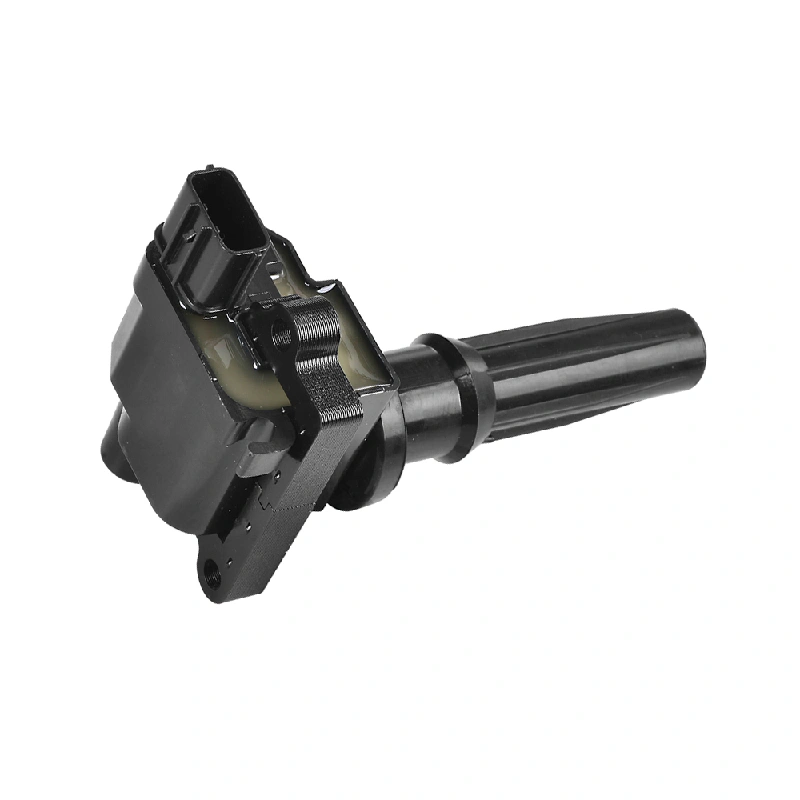
- Review ignition coil matching: plug, coil, boot, and connector should work as a complete ignition path.
FAQ about resistor spark plugs
Do resistor spark plugs reduce engine power?
A correctly matched resistor spark plug should not reduce normal engine power. Problems usually come from wrong plug type, wrong gap, wrong heat range, or poor ignition matching.
Can I replace a resistor spark plug with a non-resistor plug?
Not unless the engine design allows it. Most modern vehicles require resistor plugs to reduce ignition interference and support electronic control systems.
What happens if the wrong spark plug resistance is used?
Wrong resistance may cause interference, unstable ignition behavior, diagnostic confusion, or misfire complaints depending on the vehicle system.
Are iridium spark plugs usually resistor spark plugs?
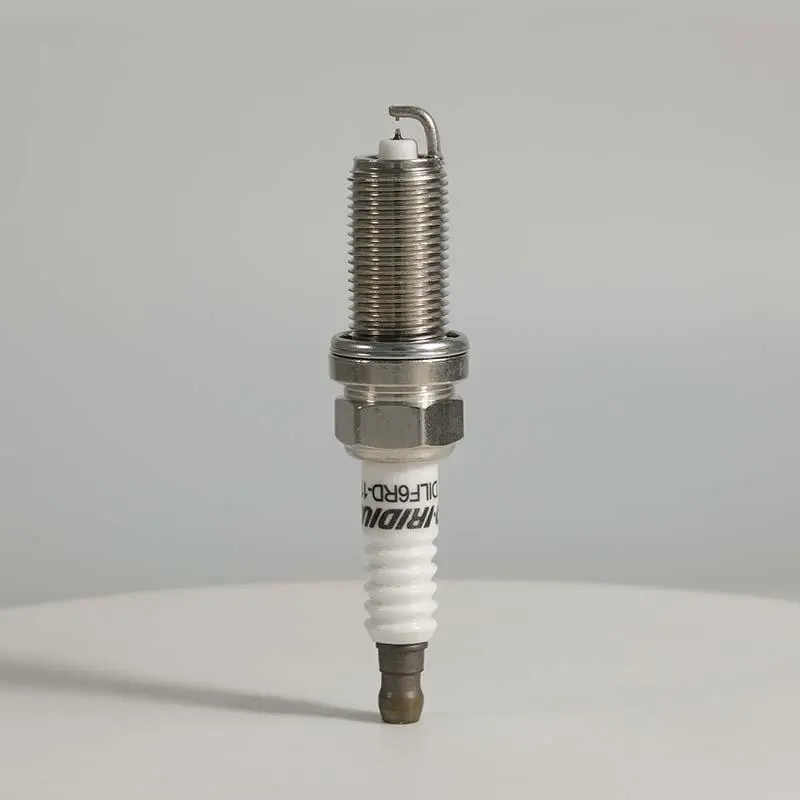
Many modern iridium spark plugs are resistor-type, but buyers should still confirm the exact part specification rather than assuming by electrode material alone.
Final Thoughts
A resistor spark plug uses a built-in resistor to suppress ignition interference and support modern vehicle electronics. It helps reduce EMI / RFI, supports ECU stability, and keeps the ignition system matched to the vehicle design.
When choosing spark plugs, do not judge by thread size alone. The correct selection should match resistor type, heat range, reach, seat type, electrode material, gap, and OE application.
Need support with spark plug or ignition coil selection?
IGNX focuses on ignition coils and spark plugs for aftermarket buyers, distributors, and repair-focused businesses. If you need support with resistor spark plug matching, ignition coil selection, or ignition parts sourcing, feel free to contact us.
Contact IGNX